
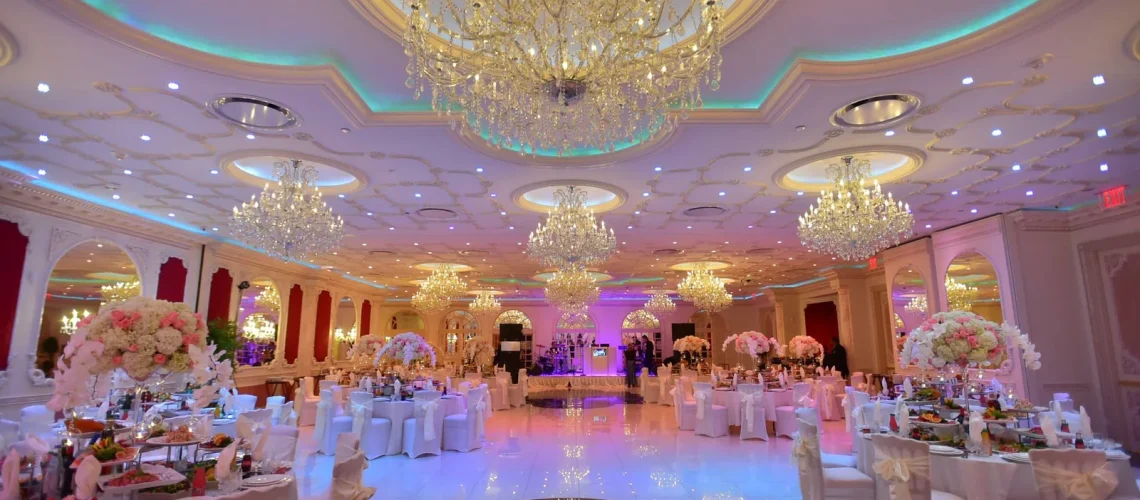
Introduction: Why the Foundational Process Matters for a Queens Luxury Wedding
In any premium wedding planning journey, the foundation you lay at the start shapes everything that follows. For a luxury wedding venue in Queens, the foundation includes meticulous lead qualification, strategic venue tours, clear deposit and contract negotiations, and a thoughtful onboarding plan for vendors. This article focuses on the foundational process specifically for Booking luxury wedding venue Queens, with practical steps, checklists, and real-world considerations drawn from Da Mikele Illagio’s 30+ years of hospitality experience in Queens. If you’re aiming for a seamless, elegant celebration at a venue like Da Mikele Illagio, use these structured steps to align expectations, budgets, and timelines from day one.
For related context that supports this topic, see The Ultimate Guide to Choosing Your Wedding Ceremony.
For related context that supports this topic, see The Ultimate Guide to Choosing Your Wedding Reception.
1) Initial Inquiry and Lead Qualification
The journey begins with a precise, focused inquiry. A well-crafted inquiry helps a venue quickly assess availability, capacity, and compatibility with your event goals.
- Clarify event basics: target date or season, guest count range, ceremony vs. reception needs, and desired vibe (classic, contemporary, upscale).
- Budget framing: provide a realistic range for venue costs, noting that luxury venues like those in Queens often include multiple inclusions (cuisine, staffing, and experiential elements) that influence value perception.
- Dietary and service requirements: Kosher, Halal, or other dietary accommodations, plus any accessibility considerations.
- Questions for the venue: availability of outdoor spaces, back-up plans for weather, on-site planning support, and whether in-house catering is required or preferred.
During the inquiry phase, reputable venues reply with a tailored response that reveals their capabilities, a baseline calendar view, and next steps. For example, Da Mikele Illagio emphasizes a flexible yet controlled approach to ensure events of up to 1,800 guests can be executed with precision, while also highlighting kosher and halal menu options as part of the menu strategy.
2) Venue Tour Scheduling
A structured tour is essential to translate a written brief into a tangible feel for the space. A well-planned tour helps you assess layout possibilities, flow, acoustics, lighting, and service areas.
- Pre-tour prep: bring a rough floor plan, sample timeline, and a list of must-have features (e.g., bridal suite, dance floor, outdoor terrace).
- What to observe: traffic patterns, access points, kitchen flow, bar service stations, and back-of-house efficiency.
- Interaction with the team: meet the on-site coordinator or general manager; ask about peak-time staffing and how they support customized layouts.
To maximize value from a tour, use a checklist that covers space configurations, capacity per configuration, and the ability to accommodate your preferred sequence of events (cocktail hour, sit-down dinner, and after-party). For inspiration on effective touring, see How to Tour Wedding Venues Effectively: Checklist and Best Practices. It’s a practical companion to your in-person viewings.
When you tour Da Mikele Illagio, you’re not only evaluating space; you’re evaluating service continuity, culinary flexibility, and the capacity to host multiple event facets—shared spaces for dining, entertainment, and private moments—within a single setting.
3) Deposits and Contract Negotiation
After selecting a preferred date and securing tentative availability, the deposit and contract phase formalizes your commitment. This stage sets the legal and financial framework for your event.
- Deposits: understand what the deposit covers (date hold, spaces reserved, initial planning milestones) and any timing triggers for payment milestones.
- Inclusions and exclusions: clarify what is included in the base package (catering, staffing, décor allowances) and what may incur additional fees (parking, security, premium equipment).
- Cancellation and protections: review the cancellation policy, rain plans, and any force majeure language, ensuring it aligns with your risk tolerance.
- Contract nuances: confirm vendor coordination responsibilities, timing windows for room changes, and schedule lock-ins for preferred vendors.
In a luxury setting, contracts are often complemented by service-level expectations. Da Mikele Illagio emphasizes professional event coordination and on-site management to ensure seamless execution, which is typically reflected in the contract as dedicated on-site leadership during events and clearly delineated roles for staff.
4) Vendor Coordination Setup
Vendor coordination is a core differentiator for upscale venues. A well-structured vendor plan reduces friction on the wedding day and ensures all components—from catering to décor to entertainment—harmonize with the venue’s workflows.
- Vendor roster and approvals: obtain a preferred vendor list from the venue and determine which vendors require in-house coordination.
- Communication cadence: establish a point of contact, a single planning timeline, and regular check-ins leading up to the event date.
- Dietary and service integrations: align the caterer’s menu with the venue’s kitchen capabilities, particularly for Kosher or Halal options, as applicable.
- Logistics alignment: confirm delivery windows, load-in routes, and setup priorities to protect guest experience and space integrity.
Effective vendor coordination helps preserve the elegance and pace of a luxury reception. At Da Mikele Illagio, on-site planning support and an experienced event team help synchronize culinary service, entertainment, and venue logistics, contributing to a predictable and high-quality experience for guests.
5) Timeline and Date Availability
Locking the date is the backbone of your planning calendar. Availability insights, seasonal surcharges, and blackout dates can influence your final choice. A well-structured process includes:
- Realistic date range: consider peak wedding seasons in Queens and the potential need for back-up dates.
- Ceremony and reception sequencing: plan a logical flow (e.g., ceremony, cocktail, plated dinner, speeches, dancing, after-party) that complements venue spaces.
- Buffer times: ensure there are buffer windows for setup, teardown, and any contingency needs (weather, vendor delays).
Early stage date milestones help you coordinate invitations, RSVP timelines, and vendor lead times. Many luxury venues, including Da Mikele Illagio, manage calendars to keep a single event per day or limited events per day, which preserves exclusivity and attention to detail.
6) Post-Booking Onboarding Tasks
Once the contract is signed and the date is settled, onboarding begins. A clean onboarding plan keeps the project aligned across your team and the venue’s staff.
- Create a master planning timeline: establish milestones for menu tastings, décor approvals, floor plans, and seating charts.
- Align communications: designate a primary point of contact for venues and vendors; set expectations for response times.
- Dietary and service confirmations: finalize Kosher or Halal menus, wine pairings, and any special dietary accommodations.
- Logistics and rehearsals: schedule a rehearsal, confirm parking, and outline guest arrival flow.
Having a formal onboarding phase minimizes last-minute changes and ensures all moving parts align with your vision. The on-site team at a premier Queens venue like Da Mikele Illagio prioritizes a streamlined onboarding process to deliver a cohesive experience from planning through celebration.
7) Practical Tips to Safeguard Your Investment
Working with a luxury venue in Queens involves careful planning to maximize value and minimize risk. Consider these practical tips:
- Start early: luxury venues can book well in advance, especially for peak seasons. Begin inquiries and tours months ahead of your target date.
- Use checklists: rely on structured checklists for each phase—initial inquiry, tour, contract, onboarding—to stay organized.
- Budget transparency: request itemized estimates that show inclusions like staffing, venue setup, and kitchen equipment to prevent hidden costs.
- Plan for contingencies: discuss rain plans for outdoor spaces and contingency schedules with the venue’s management team.
- Leverage the venue’s strengths: choose a venue like Da Mikele Illagio that offers in-house catering, Kosher and Halal options, and robust on-site planning support for a coordinated experience.
8) Contextual Internal Resources
As you build your planning framework, consider these related resources to deepen your understanding and comparison across Queens luxury wedding venues:
- The Premier Luxury Wedding Venues in Queens NY — a foundational pillar post with context on what defines luxury in Queens and how Da Mikele Illagio positions itself within the market.
- Queens Luxury Wedding Venue Features and Inclusions — explores space configurations, inclusions, and amenities relevant to luxury weddings.
- How to Tour Wedding Venues Effectively: Checklist and Best Practices — a practical guide to optimizing venue tours.
- Planning a Premium Queens Wedding: Space Configurations & Layouts — deeper dive into floor plans and flow.
- Queens Luxury Wedding Venue Features and Inclusions — essential feature checklist for luxury planning.
Why Da Mikele Illagio Is a Solid Choice for Booking Luxury Queens Weddings
Da Mikele Illagio stands out in the Queens luxury landscape for several reasons aligned with the foundational process described above:
- Experience and leadership: over 30 years in hospitality, with a hands-on on-site management team to guide every step from inquiry to post-event wrap-up.
- Flexible, upscale spaces: capacity for up to 1,800 guests and versatile configurations to accommodate ceremonies, receptions, galas, and private events.
- Culinary excellence and inclusivity: Italian and Mediterranean cuisine with Kosher and Halal menu options, designed to meet diverse dietary preferences.
- Comprehensive planning support: an in-house event team dedicated to planning, coordination, and execution—ensuring timelines stay on track and guest experiences shine.
If you’re evaluating options specifically for a Queens wedding with luxury expectations, exploring Da Mikele Illagio’s profile alongside the pillar post above can help you contrast space, service, and value. The venue’s approach to scheduling, staffing, and vendor coordination is designed to deliver a coordinated, stress-minimized planning experience, which is the essence of a successful luxury wedding in Queens.
Conclusion: The Roadmap to a Seamless Booking Experience
Booking a luxury wedding venue in Queens requires a disciplined process that starts with a precise inquiry, progresses through thoughtful tours, and culminates in transparent contracts and coordinated vendor planning. By following the foundational steps outlined here—and leveraging the experience of a renowned venue like Da Mikele Illagio—you can build a clear, actionable timeline that aligns with your vision and ensures a flawless celebration. Remember to keep communication consistent, confirm all inclusions in writing, and maintain a flexible, problem-solving mindset as you navigate dates, spaces, and menu options.
Frequently Asked Questions
What is the typical timeline for booking a luxury wedding venue in Queens?
Most couples begin inquiries 9–12 months before their desired date, with tours, deposit negotiations, and contract finalization following within 2–4 months of the initial contact. For peak seasons, you may want to start even earlier to secure your preferred date.
How does vendor coordination work with a luxury Queens venue?
Premium venues often maintain preferred vendor lists and provide a planning framework that coordinates delivery windows, setup, and staffing. The venue’s event team acts as the central point of contact to ensure all vendors align with the timeline and space constraints, while guests experience a seamless celebration.
Can I customize menu options for Kosher or Halal preferences?
Yes. Luxurious venues in Queens commonly offer Kosher and Halal menus, with on-site culinary teams prepared to accommodate dietary laws while delivering the same level of artistry and service as standard menus.
What should I look for during a venue tour?
Pay attention to space flow, backstage logistics, load-in/load-out routes, acoustics, lighting, and the proximity of the bridal suite to reception spaces. Also assess how the venue’s team facilitates a cohesive day, from guest arrival to farewell.
What are the advantages of booking a single-site luxury venue like Da Mikele Illagio?
Single-site venues offer streamlined coordination, fewer potential schedule conflicts, and the ability to deliver a unified experience—covering ceremony, reception, catering, entertainment, and guest services under one roof. This often translates to reduced risk and enhanced event cohesion.